

Vacation Homes were once real estate's hottest play. Now they're a nightmare
Vacation homes were once real estate's hottest play. Now they're a nightmare.
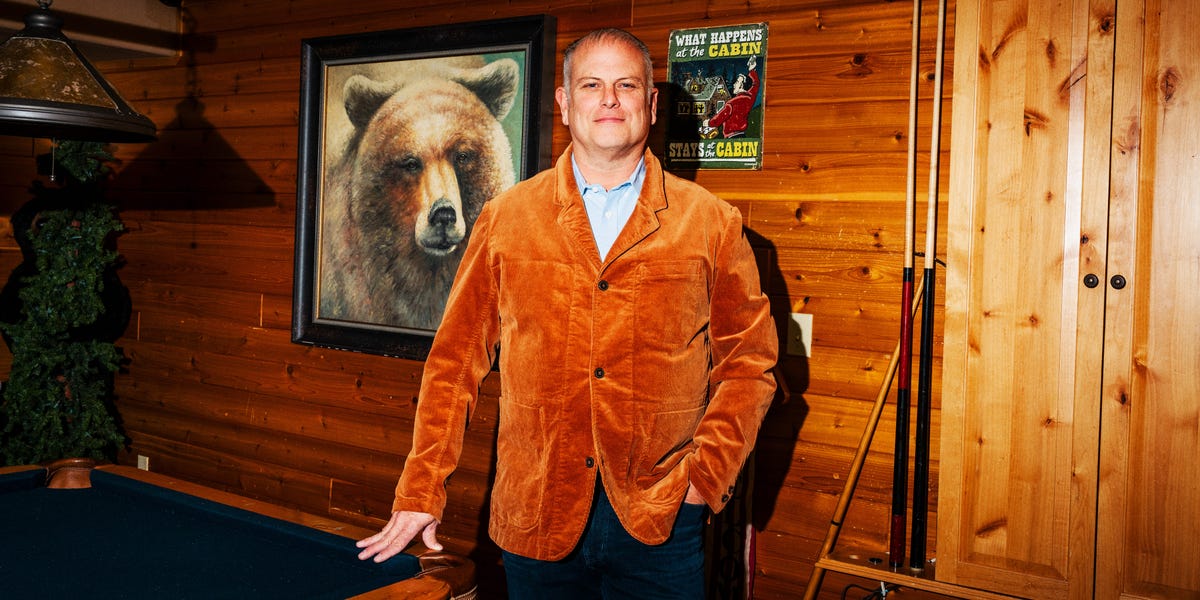
Gary Doss, a longtime real estate agent in Big Bear Lake, California, says sellers need to have "a tough conversation."
Ethan Noah Roy for BI John Kenney is the second real estate agent to take a stab at selling 317 Matterhorn Drive, a rustic, two-bedroom cabin in Gatlinburg, Tennessee.
At the height of the housing boom, it might have sparked a bidding war. Instead, it's withered on the market for two years.The home has seen a steady drip of price cuts and relistings since January 2024, when it debuted at $850,000. The owners are now asking for just under $600,000, a decrease of nearly 30%. "NEW PRICE, BIG MOUNTAIN ENERGY!" the listing reads.
"We're just chasing the market at this point," Kenney tells me.Vacation homes like this one were once chum in the water for hungry Airbnb investors or flush retirees looking for part-time getaways.
In 2021, cheap loans and a surge in vacation bookings spurred a buying bonanza, turning staid markets like Gatlinburg and Big Bear Lake, California, into eye-popping examples of the housing scramble. It didn't last long.
The short-term rental business has plateaued, forcing more discipline among investors who can no longer feast on record-low borrowing rates and fully booked calendars. Other second-home owners are realizing the places they use a few times a year may not be worth the costs and headaches. All these factors add up to for-sale signs and six-figure price cuts.
A report this summer from the research firm Parcl Labs declared America's vacation-home sellers "the most motivated in housing."
But it's not all dark clouds for those saying goodbye to their summer cabins and ski chalets. In most of these markets, home values remain well above their 2019 levels, and any longtime owner is likely to turn a healthy profit.
But vacation-home owners tend to churn through properties at a faster pace than the average population. Agents in these places say owners generally hold onto their places for four to six years before opting for a change of scenery, which means some sellers who bought at the peak are now staring down steep losses. Even those netting profits may walk away crestfallen as their long-awaited paydays come in lower than expected. The owners of 317 Matterhorn, for instance, bought their place in mid-2020 for $380,000, a bargain by today's standards. Their nest egg will still yield a healthy return, but the owners are still anchored to the gangbuster valuations of 2021 and 2022, Kenney tells me."They thought they scored big on being able to add to their retirement," Kenney tells me, "and now it's not as much.
Mortgage applications for vacation homes in 2020 jumped 30% from the previous year, a Zillow analysis of federal mortgage data found, and by March 2021, demand for second homes had peaked at 88% above pre-pandemic levels, according to a Redfin analysis. These figures don't take into account the all-cash purchases that further distorted the market.
The hot spots weren't exactly surprising — second-home buyers flocked to the coastal towns and mountain ranges that tend to make vacation bucket lists — but the steep price hikes came as a shock to locals and out-of-town bidders. As homebound Americans started scratching at the walls of their pandemic pads, the business of short-term rentals flourished. For three straight years beginning in 2021, bookings on sites like Airbnb and Vrbo increased by double-digit percentages, according to the research firm AirDNA. Rental owners cashed in, upping nightly rates while keeping their units healthily occupied.
Taking a cue from the surge in demand, a new wave of hosts opened their doors to visitors. The average number of short-term rental listings climbed to almost 1.5 million in 2023, up nearly 38% from two years prior and about 25% from 2019 levels.
The short-term rental business these days is far from "bust" territory — occupancy rates across most of the country are holding steady, while daily rates show small year-over-year increases — but the forces driving the pandemic-era frenzy have since come back to bite vacation-home owners and rental investors.
The abundance of Airbnbs in some locales has allowed travelers to comparison shop, forcing owners to cut prices and making it tougher to justify the steep sums they were once willing to throw down to add more properties to their portfolio.
Katelyn Warren, another agent in Gatlinburg who often works with short-term rental buyers, says she typically advises a "10% rule": revenue from bookings each year should work out to 10% of the home's purchase price. So, for a $500,000 house, a buyer would want to pull in $50,000 each year before expenses. Clearing that hurdle was pretty easy in 2021, Warren tells me, but most investors hunting for purchases in her area are now looking at 7% or 8%. The typical reaction is, "Oh, well, that's not going to work for me," Warren says.
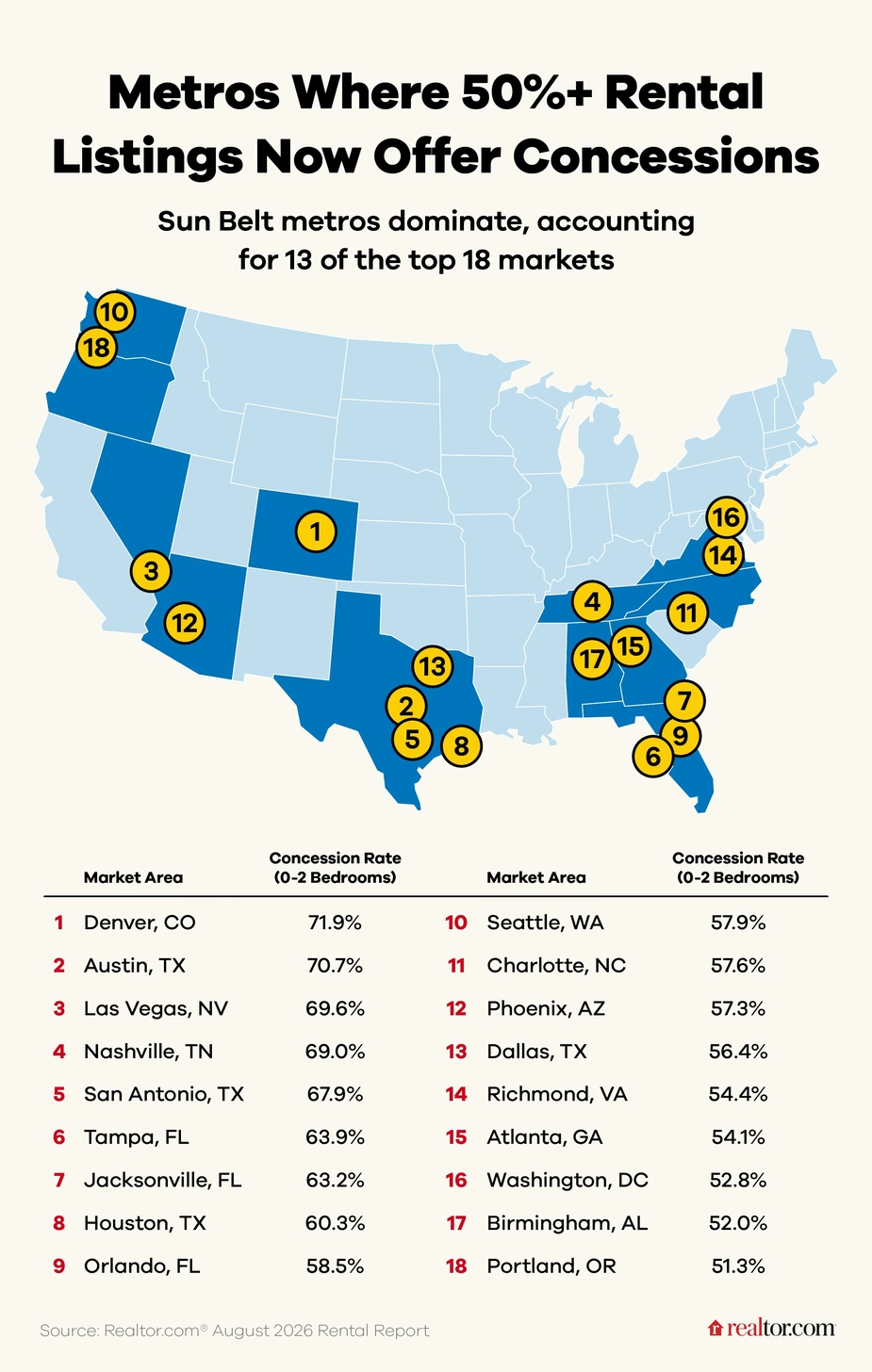
These AirBNB homes are hitting the market again at a point when Airbnb returns are no longer so appetizing and mortgage rates have surged past 7% for the first time in more than a year. Homes that traded hands in 2021 or 2021 are now hitting the market again, Doss says. Ethan Noah Roy for BI "We kind of had this perfect storm," Doss tells me. Prices in Big Bear are down 20% from their peak in June 2022, per Zillow, and the pool of available homes in the surrounding county has increased by nearly 47% in the same period, Realtor.com found.
"It's almost to the point where I think buyers are conditioned to wait until they see price cuts before they even start looking at a property," Kenney says.Vacation-home owners may choose to bide their time, too. In many cases, they can afford to be patient, especially in true luxury destinations like Jackson, Wyoming, or Aspen, Colorado, where price cuts are less common and cash buyers don't have to fret about mortgage payments.
Less fortunate are those who bought at the peak and can't afford the costs of maintaining their once-idyllic retreats. One of Kenney's clients bought a pair of snug cabins in 2022 and realized they're no longer using them. "Dealing with the ongoing maintenance and things like that of a cabin is not easy," Kenney tells me. Even if they collect the full asking price of $400,000, they're looking at a $150,000 loss.Perhaps scared off by horror stories like this one, would-be rental owners appear to be more hesitant about jumping into the business and scooping up homes.
A recent AirDNA study found that existing short-term rental hosts were much more interested in acquiring additional properties than those who had never tried their hand at the rental game. This makes sense in light of the past few years: If you've dealt with late-night guest issues and tinkered with nightly rates, you may have a good handle on the risks involved. But if you're on the outside looking in, "You're like, I don't know,'" Jamie Lane, AirDNA's chief economist, tells me. "Interest rates are really high. It's hard to find good deals. The risk just seems a bit more.
Buyers and sellers of vacation homes — whether pure investors, snowbirds, or somewhere in the middle — are both stubborn and fickle. "Because almost every seller I talk to says they don't need to sell, and almost every buyer that we talk to says they don't need to buy."The deals are happening, though, if only at a pace — and price — that may leave nobody entirely satisfied."At some point in time," Doss says, "they just need to have a tough conversation on what needs to be done to get the property moved."
Categories
Recent Posts







Concierge Realtor/Senior Account Executive License ID: 3370040
+1(954) 258-4926 | larry@lheringrealty.com